The Degenerate
I have become an AI degenerate. I'm not using that word lightly, and I'm not using it as a joke. I mean it in the most clinically accurate way possible: I have crossed a threshold most people haven't reached yet, and there is no going back.
It started the way it starts for everyone. ChatGPT. A recipe. Drafting an email I didn't want to write. Fixing the A/C settings on my smart thermostat without reading the manual. Fun. Useful. Impressive at dinner parties.
But somewhere around month three — late at night, sitting at a desk in my clinic office with a stack of compliance documents on one side and a cold cup of coffee on the other — I stopped treating it like a toy and started treating it like a thinking partner. I asked it to help me audit a patient billing code. It didn't just answer. It explained why the code mattered, what the denial risk was, what documentation I'd need to defend it, and what the alternative was if I couldn't.
I sat back in my chair and thought: Why doesn't my $800-a-month practice management software do this?
"I started using AI for everything — not because I was a tech person. Because I was a tired person."
After that night, the obsession took hold. I wasn't just dipping a toe in. I was building workflows. Automating my morning. Writing compliance summaries. Drafting patient communication templates. Stress-testing billing scenarios. Mapping out what a day in my clinic could look like if every single repetitive task — every mindless drag on my team's time — was handled before I got to the office.
I became, to put it generously, a lot to be around at dinner. To put it accurately: an AI degenerate.
Inside the Clinic
Let me give you some context about where I was sitting when all of this started.
I have spent more than twelve years owning and operating functional medicine clinics. Not investing in them. Not consulting for them. Owning them — with the payroll, the compliance audits, the credentialing nightmares, the billing disputes, the 2 a.m. texts about a payer denial, and the very personal experience of watching an incredible clinician nearly burn out because she was spending four hours a day documenting what she did in the other four.
I also ran a digital marketing agency serving hundreds of specialty practices. Which means I wasn't just inside one clinic's problems. I was inside all of them. I saw the same dysfunction repeated across every specialty, every state, every practice size. The tools were different. The frustrations were identical.
Every single one of those practices had an EHR. Most had a billing platform. Several had compliance consultants on retainer. A few had added some form of "AI." And not a single one of them had anything that worked together. The data lived in fourteen different places. The staff spent half their day copy-pasting between systems. The doctor had to be the human bridge between the clinical world and the operational one.
That's not a software problem. That's a philosophy problem. Nobody had sat down and asked: what does a fully-integrated operating system for a specialty practice actually look like? They'd just kept adding tools. Bolt-on. Bolt-on. Bolt-on.
The Real Problem
Here's what nobody in healthcare tech wants to say out loud: the doctor is the most expensive, most educated, most irreplaceable person in the practice — and we've designed the entire system to make their job as hard as possible.
Think about what a physician actually does from the moment they walk in the door. They see patients. They diagnose, treat, order. They make clinical decisions that require years of training and genuine expertise. That's the irreplaceable part. That's what patients are paying for. That's what the practice is built on.
Now think about what else they do. They document in a system that wasn't designed for their specialty. They review billing codes that may or may not reflect what they actually did. They worry about whether their charting will survive a payer audit. They field questions from the front desk about prior authorizations. They sign off on compliance documents they don't have time to fully read. They wonder, at the end of the day, whether the 90-day reimbursement lag is going to affect payroll next month.
"The physician shortage isn't just about supply. It's about a system that burns through the supply it has — one administrative hour at a time."
I watched this play out in clinic after clinic, year after year. Smart people. Trained people. Dedicated people — who got into medicine to help patients, and who were spending the majority of their working hours doing things that, frankly, an intelligent system should be doing for them.
And every time I looked at the technology landscape, I saw the same thing. Point solutions. Features dressed up as platforms. Legacy systems with a chatbot pasted on top. "AI-powered" announcements that turned out to be rule-based automation from 2019.
I kept waiting for someone to build the real thing. The operating layer. The system that understands what a specialty practice actually is — not just clinically, but operationally, financially, legally, strategically — and runs it accordingly.
Nobody did.
Meeting Sean
I met Sean Filson at a point where I had essentially given up on finding this product and had started building notes toward creating it myself. Which, if you knew what my day looked like, you'd understand the depth of frustration that implies.
Sean is what I'd describe as a corporate operator at the highest level. He had spent the better part of two decades building and scaling a medical services organization — front office, back office, compliance, billing, supply chain, all of it — into a $1.25 billion portfolio. He had lived inside every single corner of this system, not as a consultant parachuting in with a framework, but as the person who had to make it work when it didn't.
We were introduced through a mutual contact and had what was supposed to be a thirty-minute coffee call. Two hours later, we were still talking, and at some point Sean said something that I will not forget:
"If nobody's going to build the operating tool of our dreams — do you think we could build it ourselves?" — Sean Filson, Founder & CEO · The conversation that started everything
He wasn't asking as a venture idea. He was asking as someone who was genuinely tired of the alternative. And I said yes before he finished the sentence.
What became clear immediately is that we weren't coming at this from the technologist angle — the "healthcare is a big market, let's disrupt it" pitch you've seen a hundred times. We were coming at it from the operator's seat. From the inside of the problem. From the specific, painful, expensive experience of running these practices day after day and knowing exactly where the system breaks, and why, and what fixing it would actually require.
That distinction matters more than people realize. Most healthcare tech is built by people who understand technology and have studied healthcare. Saara is being built by people who understand healthcare and happen to be deploying technology. The order of operations changes everything about what gets built and how.
The Team We Found
I want to be honest with you about something. When Sean and I started building, we expected to be doing a lot of it alone for a while. That's how these things usually go. You build something scrappy, you prove enough traction, you slowly convince people to join.
That's not what happened.
The first person who came on was Hamza Shaikh. If you work in software and you've used Gmail, Google Drive, Google Docs, or Google Meet — you've used something Hamza designed. He was the lead designer for Google G-Suite. The product that more than a billion people use every single day. He left that to co-found a company that became a $1 billion AI unicorn. When we told him what we were building, he didn't ask for a deck. He asked when he could start.
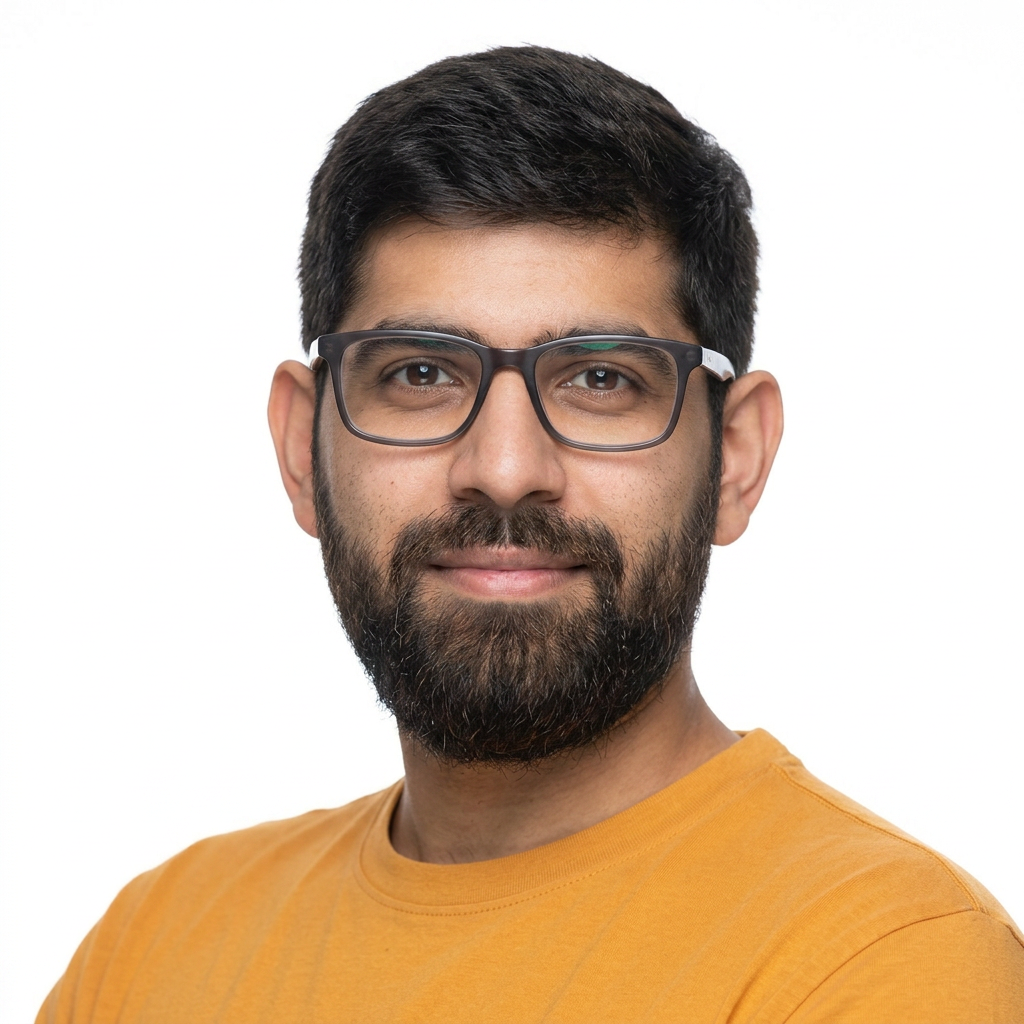
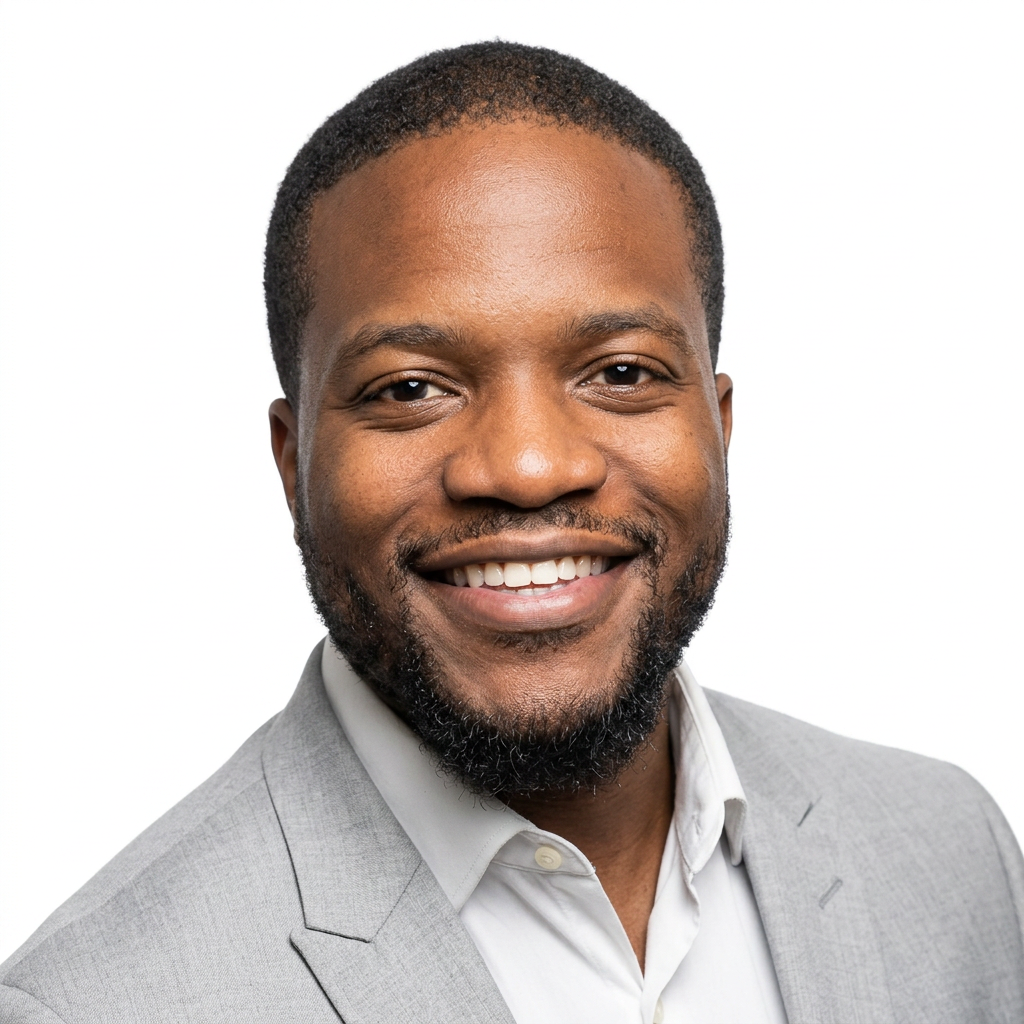
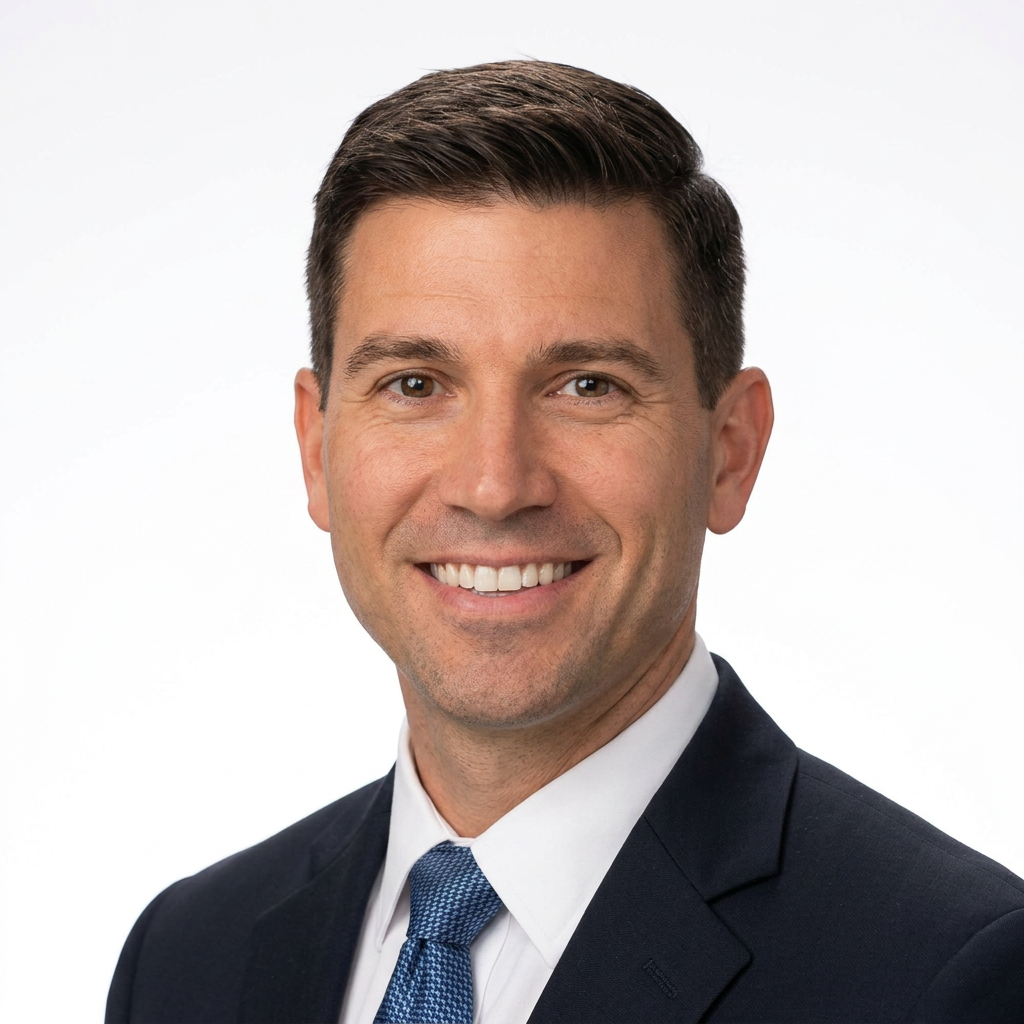
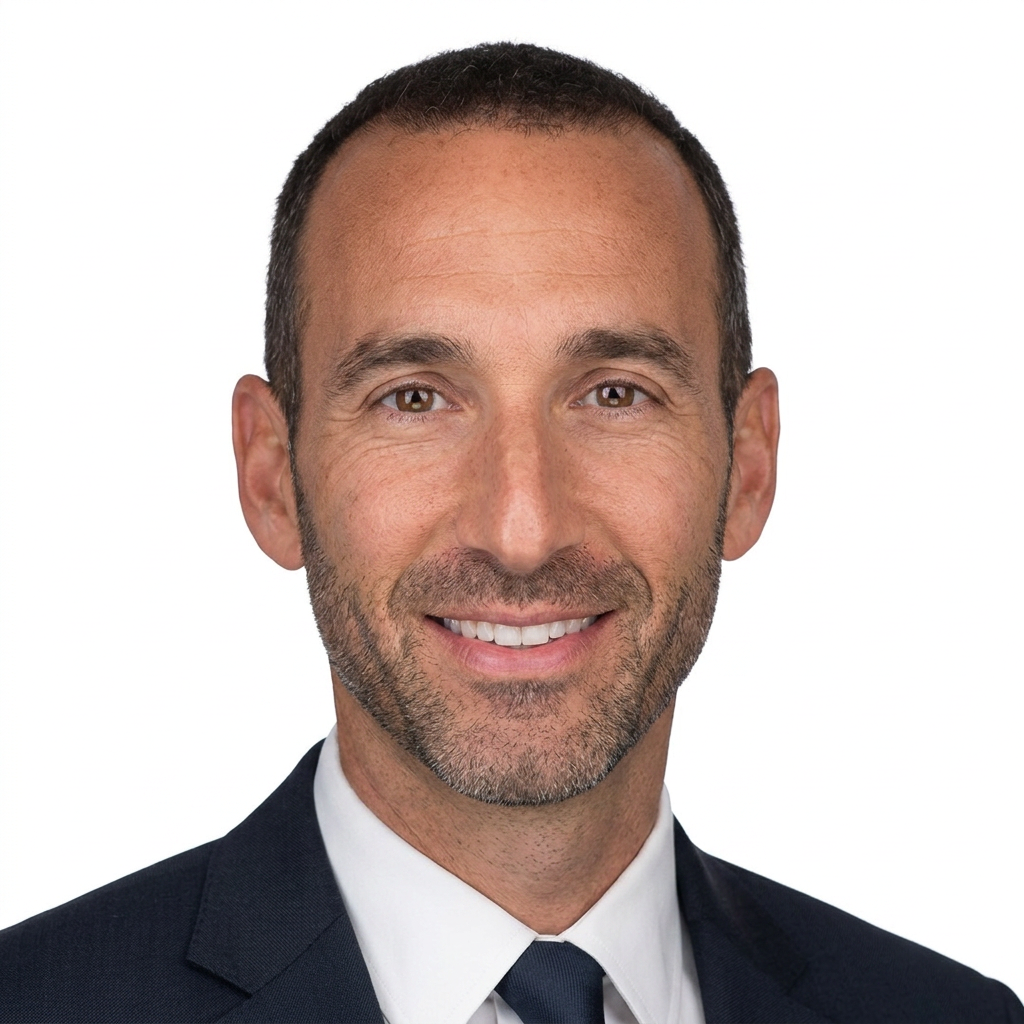
Then came Dr. Anthony Harris — Amazon's Global Medical Director at One Medical, board-certified in Occupational and Environmental Medicine, founder of HFit Health. He didn't join for equity. He joined because he saw what we were building and understood exactly how much it was needed.
Dr. Chris Cutter — Yale School of Medicine professor, Harvard and McLean trained, one of the leading clinical voices in chronic pain and behavioral health. Our Senior Compliance Advisor — Liaison to the AMA CPT® Editorial Panel, advisor to AMA, CMS, and the World Health Organization, 900-plus lectures and 100-plus publications in coding and compliance. The person who literally helps write the codes you bill against.
And Patrick Hannigan — a supply-chain operator with 20+ years of GPO relationships and buying-power networks that individual practices could never dream of. Patrick brought Saara into that network. Which means that from day one, every practice using Saara gets 10 to 30 percent or more off their supplies, consumables, biologics, and equipment. Not eventually. From day one.
I don't say any of this to name-drop. I say it because this is the part of the story where I have to be honest about something: we got incredibly lucky. The kind of lucky that makes you wonder if the timing is genuinely right. The kind of lucky that, frankly, you'd be irresponsible not to act on.
What Saara Actually Is
Saara is not an AI tool. I need to say that clearly, because that framing has done more damage to this category than anything else. An AI tool does one thing. It automates a form. It generates a summary. It sends a reminder. Useful. Incremental. Still leaves you with thirteen other tools.
Saara is an operating system. It is the intelligence layer that sits across your entire practice — front office, back office, clinical documentation, billing and coding, compliance, supply chain — and connects everything that should have always been connected.
Speak naturally. Saara generates accurate clinical notes, codes, and compliance flags in real time.
Correct codes, documentation, and modifiers — before a denial can happen.
Expert-curated protocols vetted by our Senior Advisory Panel. Zero clawbacks across all pilots.
GPO network access. 10–30%+ off supplies, biologics, equipment. Often covers the full subscription.
Expert-built specialty playbooks. Instant deploy. Royalty-eligible for contributors.
End-to-end encryption. MFA. SOC 2 alignment. Not a checkbox — a structural guarantee.
You don't ask Saara to fill out a form. You ask Saara a question — "What is my billing exposure on this patient panel?" or "Does this protocol align with the latest CMS guidelines?" or "What did I leave undone today that I need to address before tomorrow?" — and Saara builds the answer and executes the action.
That's not automation. That's intelligence applied where it matters most.
The Call
We have seven completed pilots. Zero clawbacks. Zero denials. Zero red flags. Practices that went from drowning in paperwork to running protocol rollouts in under thirty days.
TUC Urgent Care
100%
Margin lift. Full operational integration. Zero clawbacks.
Connect Internal Medicine
6 wks
Signed on a Monday. Fully live enterprise integration by Friday of week six.
Across all 7 pilots
$0
Clawbacks, denials, or compliance failures. Zero. To date.
Waitlist as of today
50+
Specialty practices already queued for the next cohort.
We are opening twenty spots. Twenty founding practices who get to co-build this with us, shape what it becomes, and lock in founding contributor status before we open the next cohort. The beta subscription is free. Daily concierge access. Bug fixes in hours. A 30/60/90-day ROI report that shows you exactly what Saara did for your bottom line.
Beta is live. The spots are going. Fifty-plus practices are already on the waitlist.
"We hit the life lottery. The team. The timing. The traction. The only question left is whether you're going to be in the room when this thing changes your practice — or reading about it later." — Jeff Igoe, Co-Founder
I became an AI degenerate because I saw, with my own eyes, what this technology is capable of when it's applied by people who actually understand the problem. Not theoretically. Not aspirationally. In the room. On the ground. With real patients, real payers, real compliance risk.
I'm not asking you to trust a pitch. I'm asking you to trust twelve years of me sitting in the same chair you're in right now, and telling you that this is the thing I was waiting for — and that we built it.
Request a Demo →
· Secures your spot and books your onboarding call.
Seed-round investors: sean@saaralabs.health